 ES
ES CL
CL BR
BR PT
PT IT
IT
BSF School, Growing tips
Vegetative stage in cannabis plants
Dec
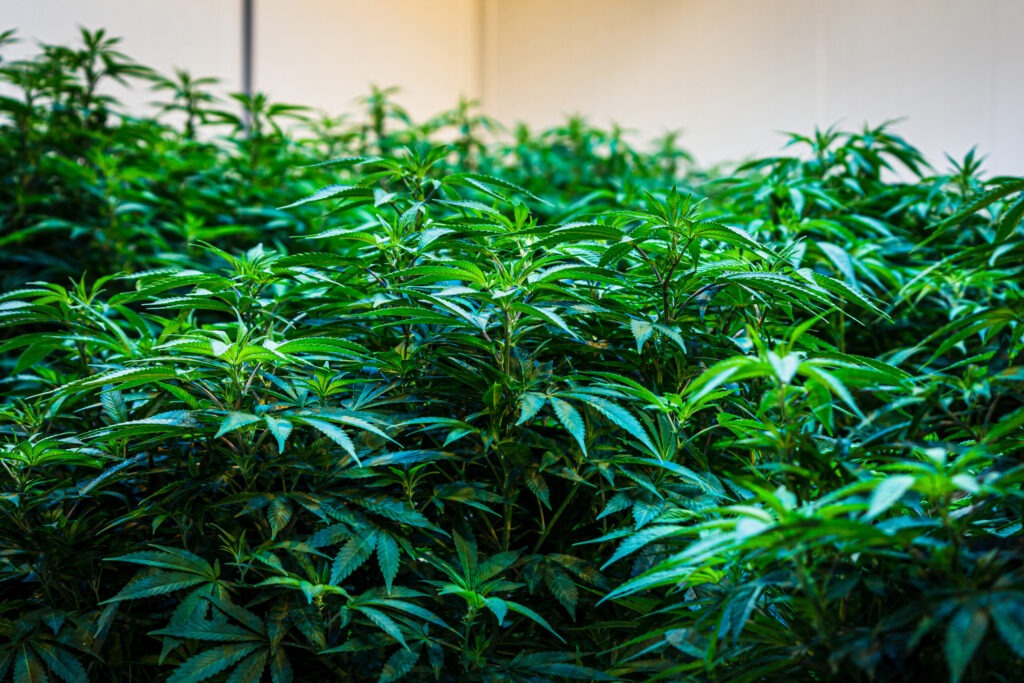
Cannabis plants have two main stages: vegetative and flowering. Once the seed has germinated and we have a seedling, ithe next stage will be the vegetative stage. During this period, the plant will produce stems and leaves, concentrating all its energy on growing big and strong.
To grow strong the plant will need air, light, water and nutrients. The roots begin to grow strongly and will need an airy soil to expand.
How long does the vegetative stage last in a cannabis plant?
In the vegetative stage, a healthy cannabis plant grows in height and size as much as it can under the given conditions. Therefore, the larger the pot and the better medium or soil, the larger the plant. The vegetative stage in cannabis plants can last from 3 to 16 weeks, or even longer in outdoor crops.
Most growers vegetate their houseplants for 4-8 weeks, depending on the desired plant size. Cannabis plants in their natural state can begin to flower from the fourth week of the vegetative stage. As a result, those plants will be smaller. To avoid this, the best thing to do is to prolong the vegetative state to have a higher production. The vegetative stage is the moment where we can extract clones.
Is your plant male or female?
It is important to know if your plants are male, females or hermaphrodites. If the purpose of your cultivation is to have flowers, you will want your plants to be female. For this reason, it is a good decision to kill males and hermaphrodites as soon as possible. Male and hermaphroditic plants will soon begin to pollinate female plants.
How to extend the vegetative stage?
The answer is with the “photoperiod”. The photoperiod is the change of duration in the cycles of periods of light and darkness. This means that when we manipulate the number of hours of light that we give to the plant, and we will be able to change it from the vegetative stage to the flora stage. In order for our plant to grow strong and large in the vegetative stage we must transplant into larger pots of at least 10 liters.
Cannabis is an annual plant. This means that its flowering period is determined by seasons. At times of the year with a lot of sunlight, the plant will grow and when the light begins to decrease it will prepare for its flowering stage.
Illumination
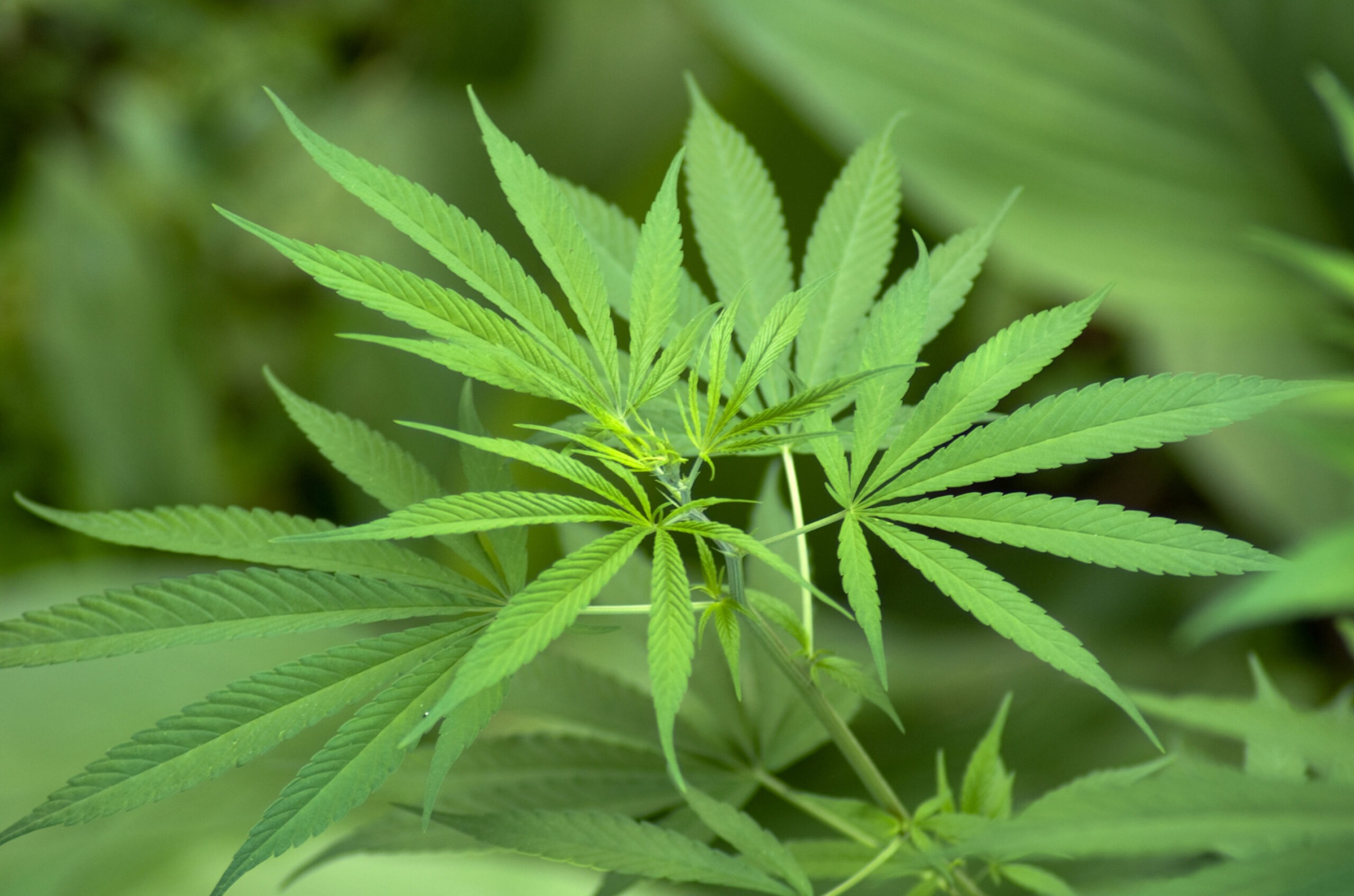
During the vegetative stage, indoor plants need 18 hours of light and 6 hours of darkness per day. The vegetative stage can last as long as the grower wants. Once we finish with this stage, we will change the light schedule to 12 hours of light for 12 hours of darkness and this will activate the flowering stage.
Temperature and humidity
Cannabis plants in the vegetative stage grow best in temperatures of around 22-26°C. If they exceed 30°C, the plant can experience leaf burns, heat stress and other complications. During this period, the plant grows best in an environment where humidity is 40-60%.
Nutrients, watering and pH levels
The plant needs nutrients throughout its growth but in the flowering stage it is essential that they have nitrogen, phosphorous and potassium. The secondary nutrients that will also be necessary for the proper development of the plant are magnesium, calcium and sulfur. The micronutrients to consider are zinc, manganese, iron, boron, and chlorine. To correctly apply the nutrients you must read the measurements and guides of each product.
Water your plants regularly with clean, chlorine-free or filtered water. Avoid excessive watering and pay attention to a good drainage. To know if the plant is well hydrated, put a finger one or two centimeters into the soil and if it feels dry it is time to water. The pH levels should remain between 6.5 and 7 when they grow in soil.
Taking into account that growers are who define when the vegetative process ends in indoor crops, it is important to understand that we will not have the same control over the plant if it grows outdoors. In spring and summer the plant will absorb all sunlight and grow. As fall approaches and the days begin to shorten, cannabis plants stop growing in size to develop fat, resinous buds.
