 ES
ES CL
CL BR
BR PT
PT IT
IT
Growing tips
Mold in Cannabis: how to identify, prevent and combat this fungus?
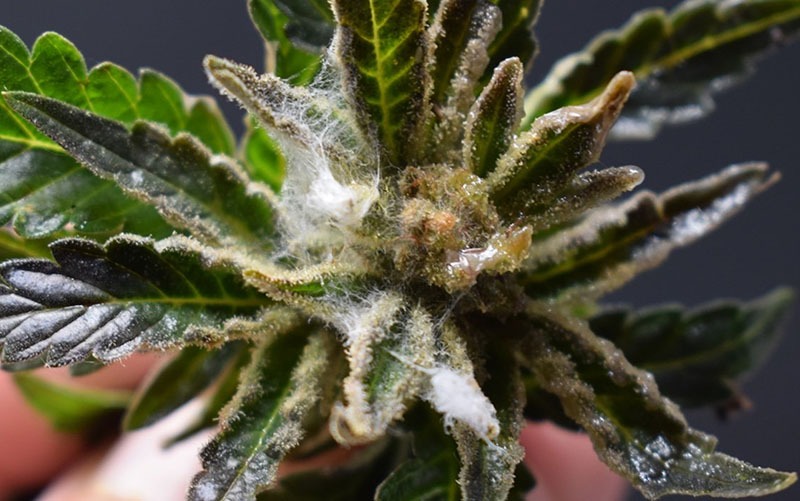
Nov
Mold in one of the nightmares of cannabis cultivation: what it is, how to recognize it, how it can be prevented, how it can be eradicated and what dangers are involved in smoking buds infected by pathogenic fungi.
What is mold and under what conditions does it appear?
Mold is one of the members of the incredible fungi kingdom and like all fungi, it develops in crops with hot, humid environments, without air renewal and can affect both the soil and each of the parts of the plant.
In addition, mold can appear in all cannabis processes: in germination, in the vegetative phase, in flowering, in drying, in curing and in storage.
Common types of mold
Let’s talk about the best known:
- Botrytis: It is a pathogenic fungus known as gray rot or gray mold. Normally it enters the plant through a wound and is transmitted by air. It spreads very fast.
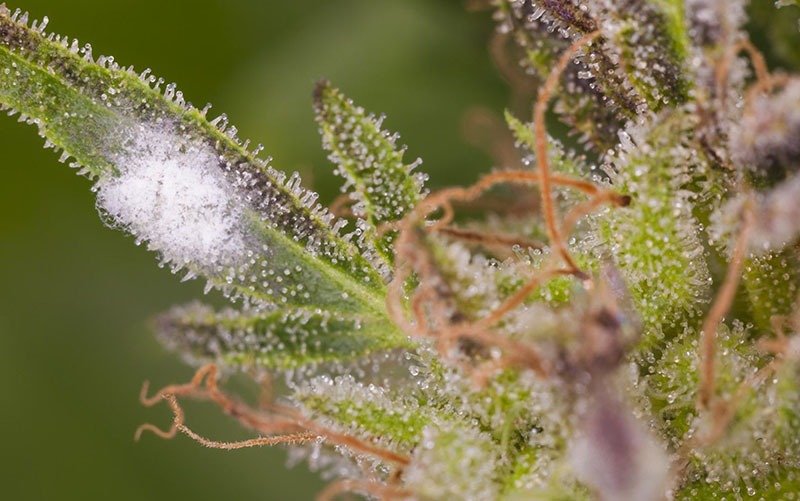
- Powdery mildew: they appear directly on the foliage, forming a kind of layer of white powder.
- Mildew: Unlike powdery mildew, mildew penetrates the leaves and appears with brown spots.
- Soot mold: it is a type of vegetable fungus. It does not attack plants directly, but rather on sap-sucking insects. It is very easy to identify, since black spots are perceived on the leaves.
- Fusarium: it is one of the most devastating fungi, as it can destroy the entire crop. The tricky thing about this pathogen is that it is less visible to the grower and attacks the roots or stems, from the inside out.
How to detect mold in cannabis?
Not all molds are easy to recognize, so continuous observation is one of the vital tasks for pathogen control in cannabis.
How to prevent mold?
Balanced nutrition is the best tool to prevent mold and other diseases. If the crop is given a soil rich in nutrients and in biodiversity of microorganisms, this type of pathogen should not appear.
In case areas affected by mold are detected, it is advisable to cut the leaf or the damaged sector of the plant to prevent its spread and apply natural fungicides such as nettle slurry, horsetail or diatomaceous earth. If symptoms of fusarium appear in the culture, the use of trichodermas is recommended.
Indoor cannabis
Indoors you get total control, but you have to have these points:
- Inspect plants daily for signs of disease.
- Place a hygrometer in your growth space to know the daily temperature and humidity.
- Install a fan and an extractor so that the air is renewed.
- Defoliate the plants during the end of the vegetative stage to increase air flow and boost production.
- Maintain hygiene in the growing area.
Cannabis outdoors
When outdoors, climatic factors can make it difficult to control the environment, so you should take into account:
- Prepare the soil in advance, inoculating with beneficial microorganisms.
- Put up temporary tarps during periods of rain.
- If the humidity outside is too high, install temporary fans.
- Space the plants to reduce contagions.
- Outdoor cultivation in pots allows them to be moved to a safe place if the weather conditions are not favorable.
How to recover mold affected cannabis?
It depends on the type of mold that has been present on the plant and its progress. However, it is advisable not to recycle cannabis affected by fungi.
Effects of smoking cannabis with mold
Smoking cannabis with pathogenic fungi is harmful to health because the spores enter the lungs and can lead to an infection, such as bronchitis or pneumonia.
Conclusions
Mold has always been one of the headaches of the world’s cannabis growers, but if plants are observed daily, hygiene, humidity, temperature are controlled and biodiversity is brought into the soil, pathogens will not have a place.
